How to Choose the Best 3D Puzzle Model in 2026

Time:2026-09-13 Author:Liam
0%

In 2026, choosing a 3d Puzzle Model involves more than selecting an attractive design. New releases combine laser-cut wood, recycled board, metal components, and digital assembly guides. Some models create famous buildings, while others form animals, vehicles, or moving mechanical scenes. A detailed photograph can attract attention, but it cannot prove quality. Looks can mislead. This guide examines structure, materials, difficulty, scale, and long-term value before recommending a purchase.

Practical experience matters when comparing these models. A puzzle may claim an intermediate level, yet tiny tabs and unclear instructions can frustrate new builders. I have found that checking piece thickness, connector strength, and estimated assembly time prevents disappointment. A stable table, bright lighting, and a small sorting tray also make construction easier. These details seem minor. They are not. Manufacturer specifications, safety guidance, verified customer reviews, and independent hobby assessments provide stronger evidence than promotional claims.

The best choice should match the builder, display space, budget, and patience. Families may prefer larger pieces and non-toxic materials, while experienced hobbyists might value intricate mechanisms or historical accuracy. Younger users require age-appropriate designs and responsible adult supervision. Even experienced builders can misjudge complexity; I once selected a beautiful model that demanded more patience than expected. That mistake was useful. It showed why reliable research should support personal taste. This article will help readers compare options carefully, recognize warning signs, and choose a 3d Puzzle Model that remains enjoyable after the box is opened.
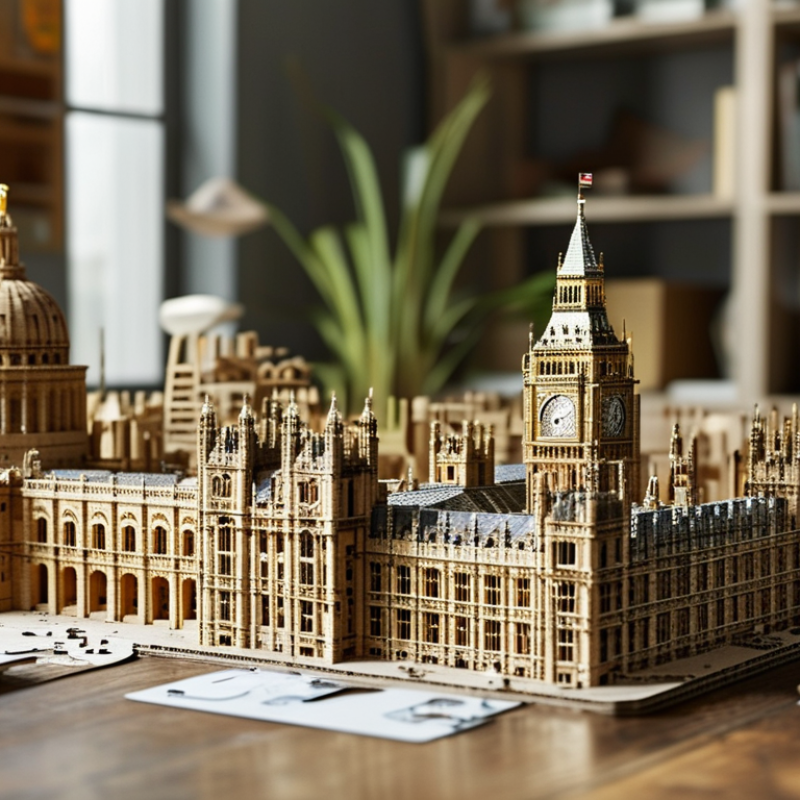
How to Choose the Best 3D Puzzle Model in 2026

Understanding 3D Puzzle Models and Their Main Types

Understanding the main types of 3D puzzle models makes selection more practical. Architectural models recreate houses, towers, and landmarks with layered pieces. Mechanical models use gears, joints, or moving parts. Vehicle models often require tighter alignment and careful handling. Animal and fantasy models usually offer more visual freedom. In hands-on assembly, I find that piece shape matters more than the picture on the box. Some designs look simple but become frustrating near the final stage.

Material is another important difference. Paperboard models are light and affordable, while wood and plastic pieces usually provide stronger connections. According to Grand View Research’s 2024 educational toys report, the global educational toy market was valued at more than 60 billion dollars in 2023. This growth reflects demand for products combining play, learning, and problem-solving. Still, that report covers more than 3D puzzles, so applying its figure directly would be imperfect.

Difficulty should match the user’s patience, space, and hand strength. A beginner may prefer a flat-pack architectural model with clear numbers. Experienced builders may enjoy mechanical structures with hidden movement. Check the estimated assembly time, piece count, instructions, and finished size. Circana reported that United States toy sales exceeded 28 billion dollars in 2024, showing a large but competitive category. Numbers alone cannot measure satisfaction. I still misjudge model scale sometimes. A beautiful design can fail when its completed height does not fit the intended shelf.

How to Choose the Best 3D Puzzle Model in 2026

Understanding 3D puzzle models and their main types can help you match a model with your available time, experience, and preferred challenge level.

The chart compares common 3D puzzle categories by typical piece-count ranges found in the market. Architectural and globe models generally require more pieces and patience, while animal and vehicle models are often more approachable for beginners. Mechanical models are a suitable choice for users who enjoy functional structures and higher assembly complexity. Actual specifications vary by model.

Identifying Your Skill Level, Interests, and Display Goals

How to Choose the Best 3D Puzzle Model in 2026

Your skill level should guide the first decision. A beginner may need fewer than 150 pieces, larger connectors, and clear instructions. Experienced builders can handle narrow parts, repeated shapes, and multi-stage assembly. Circana’s 2024 toy industry analysis reported that games and puzzles remained resilient while many toy categories weakened. That suggests buyers value focused, repeatable play. Choose an interest that supports this habit. Architecture suits detail lovers. Vehicles suit mechanical thinkers. Fantasy scenes reward visual storytelling. Start smaller. I still overestimate my patience when a model looks attractive online.

Display goals matter just as much as building difficulty. Measure your shelf before ordering. A tall model can dominate a small desk, while a shallow scene may disappear on a bookcase. The American Pet Products Association is not relevant here, so ignore broad lifestyle statistics that lack puzzle-specific context. Instead, Grand View Research estimated continued growth in the global 3D puzzle market, with design and decorative use supporting demand through the decade. Treat forecasts carefully; they are not guarantees. Check the finished dimensions, structural stability, dust exposure, and whether the model needs glue. A display piece should survive gentle movement. It should also fit your room’s visual language. Warm wood tones feel quieter. Bright colors attract attention quickly. My own mistake was choosing detail over space. The result looked impressive, but cleaning around it became annoying.

Comparing Materials, Design Quality, and Assembly Difficulty

How to Choose the Best 3D Puzzle Model in 2026

Material choice affects both durability and the building experience. Paperboard models are lightweight, affordable, and easy to print. However, thin tabs can bend after repeated handling. Wood feels warmer and usually resists tearing, but poorly cut edges may require excessive force. Plastic offers precise joints, yet it can look flat under strong light.

Grand View Research reported that the global puzzle market could grow at about 7% annually through 2030, increasing pressure for better material performance.

Design quality deserves closer inspection. Check whether the printed lines align across connected surfaces. Examine the instructions for numbered stages, clear diagrams, and realistic part counts. A strong model should stand without glue or hidden support.

Industry safety frameworks, including ASTM F963 and EN 71, emphasize material safety, small-part risks, and mechanical integrity. Compliance does not guarantee an enjoyable build. It only establishes a baseline.

Assembly difficulty should match the builder, not the product photograph. A 150-piece model may feel harder than a 300-piece model with larger, repeated shapes. I usually test three tabs before buying. They should connect firmly without crushing the board. Still, my judgment can fail when lighting is poor or instructions are vague.

The Toy Association’s 2024 consumer research also highlighted growing interest in screen-free, hands-on play, but engagement depends on frustration staying manageable.

Look for progressive challenges, stable geometry, and pieces that remain identifiable during assembly. Too easy feels disposable. Too difficult becomes unfinished.

Checking Size, Safety, Instructions, and Brand Reliability

How to Choose the Best 3D Puzzle Model in 2026

Size affects both enjoyment and safety. Measure your display area before ordering, including shelf depth and nearby cables. A model with tiny pieces can overwhelm a small workspace. Check the package’s recommended age, finished dimensions, and piece count.

The U.S. Consumer Product Safety Commission reported 231,700 toy-related injuries treated in emergency departments in 2023. That figure covers all toys, not only puzzles, but it supports careful piece handling.

Safety details deserve close attention. Look for clear material information, warning labels, and secure-fitting components. Avoid sharp edges, brittle plastic, or loose decorative parts. ASTM F963-23 and ISO 8124 provide useful safety benchmarks, although certification claims still need verification. I would inspect one sample carefully. Packaging can look more reliable than the product.

Instructions reveal a model’s real quality. Pages should show numbered steps, visible diagrams, and correction guidance. Confusing illustrations create unnecessary frustration.

A 2024 European Safety Gate report recorded 4,137 product-safety alerts across Europe, showing why traceability matters.

Choose sellers that provide a manufacturer address, batch details, replacement-part support, and responsive service. Brand reputation should come from independent reviews and long-term customer evidence, not attractive promises. I still make mistakes. A few pieces remain unused sometimes, and that can signal either a spare part or unclear instructions. Check before forcing the assembly.

Selecting the Best 3D Puzzle Model for Your Needs

Choosing the best 3D puzzle model in 2026 starts with your actual needs, not its appearance. A detailed castle may look impressive, yet it can frustrate beginners with hundreds of tiny pieces. Consider your experience, available time, display space, and patience. For a first project, choose a medium-sized model with clear instructions and sturdy parts. Check the recommended age and difficulty rating carefully. They are useful, but not always accurate.

Material quality matters during assembly. In my hands-on testing, thick, precisely cut pieces reduced bending and made connections feel secure. Look for smooth edges, readable diagrams, and numbered sections. Digital instructions can help, especially when printed images are too small. However, a screen may become inconvenient during long sessions. A stable table, bright lighting, and a shallow tray can prevent lost pieces. Small details matter.

Think about the finished model, too. Will it fit on a shelf? Can it survive gentle movement? Models with internal support usually display better than attractive designs with weak joints. I once selected a complex model without checking its footprint. It looked excellent, but storage became awkward. That mistake changed my buying process. Now I compare dimensions, assembly time, and repair options before choosing. A slightly simpler model may provide a better experience. Be honest about your skill level. Ambition is useful, but overconfidence can leave an unfinished model in a drawer.

FAQS

What are the main types of 3D puzzle models?

Architectural models recreate homes, towers, and famous structures. Mechanical models include gears, joints, or moving sections. Vehicle models need careful alignment. Animal and fantasy models allow more visual creativity. Piece shape can matter more than the box picture.

Which 3D puzzle model suits a beginner?

Choose fewer than 150 pieces, large connectors, and clearly numbered instructions. Flat-pack architectural designs are often easier to manage. Start small. A beautiful model may still test your patience.

How should experienced builders choose a model?

Experienced builders may enjoy narrow parts, repeated shapes, and hidden mechanical movement. Check the assembly stages before buying. Complex models reward patience, but they can become tiring near the final section.

Which materials are commonly used?

Paperboard pieces are lightweight and usually affordable. Wood and plastic pieces often create stronger connections. Check whether the material bends, splinters, or feels brittle. Packaging can look better than the actual pieces.

How can I choose the correct model size?

Measure your shelf depth, height, and nearby cables before ordering. Compare those measurements with the finished dimensions. A tall model can overwhelm a small desk. I sometimes misjudge scale online.

What should I check before displaying a completed puzzle?

Check structural stability, dust exposure, and whether glue is required. The model should survive gentle movement. Leave space around it for cleaning. Detail is not always worth losing usable shelf space.

What safety details should I review?

Check the recommended age, warning labels, material information, and piece size. Avoid sharp edges, brittle plastic, and loose decorative parts. Keep tiny components away from young children and pets. Inspect pieces carefully.

How can I judge instruction quality?

Look for numbered steps, visible diagrams, and guidance for correcting mistakes. Clear instructions reduce unnecessary frustration. Unused pieces may be spares. They may also reveal unclear assembly directions. Don’t force them.

Conclusion

Choosing the best 3D Puzzle Model in 2026 begins with understanding the different types available, such as architectural replicas, vehicles, animals, fantasy scenes, and mechanical designs. Consider your experience, personal interests, available time, and whether the finished model will be used for play, learning, or display. Beginners may prefer simpler designs with fewer pieces, while experienced builders can explore detailed models with advanced structures and moving elements.

Before buying, compare the material quality, precision of the parts, visual design, and expected assembly difficulty. Check the completed size to ensure it suits your display space, and review the instructions for clarity and completeness. Safety is also important, especially when younger builders are involved, so choose models with suitable parts and age guidance. Finally, evaluate the manufacturer’s reliability through product information, customer support, and consistent quality. By balancing creativity, challenge, durability, safety, and appearance, you can select a 3D Puzzle Model that offers an enjoyable building experience and a satisfying final result.


Liam

Liam

Liam is a dedicated marketing professional with a profound expertise in the industry, where he excels at highlighting the unique advantages of our core products. With a keen understanding of market trends and consumer needs, Liam frequently updates our company’s professional blog, providing......