Essential Tips for Choosing the Right 3D Scale Model?

Time:2026-08-24 Author:Ethan
0%

Choosing the right 3D scale model can be overwhelming. With various options available, it's essential to make informed decisions. A 3D scale model is not just a representation; it's a blend of art and precision. Whether for personal enjoyment or professional use, the selection process requires careful consideration.

When searching for a 3D scale model, think about the purpose behind your choice. Are you looking for accuracy or creative expression? Materials and craftsmanship significantly impact the final outcome. Models can range from plastic to metal, each offering unique qualities. Understand that some models may not meet your expectations, highlighting the importance of research.

Keep in mind that not every model will fit your needs. Some may lack detail or durability. Reflect on what specifications matter most to you. Look for reviews or expert opinions to guide your selection. Ultimately, selecting a 3D scale model should be a rewarding experience, but it also requires attention to detail and an awareness of potential pitfalls.
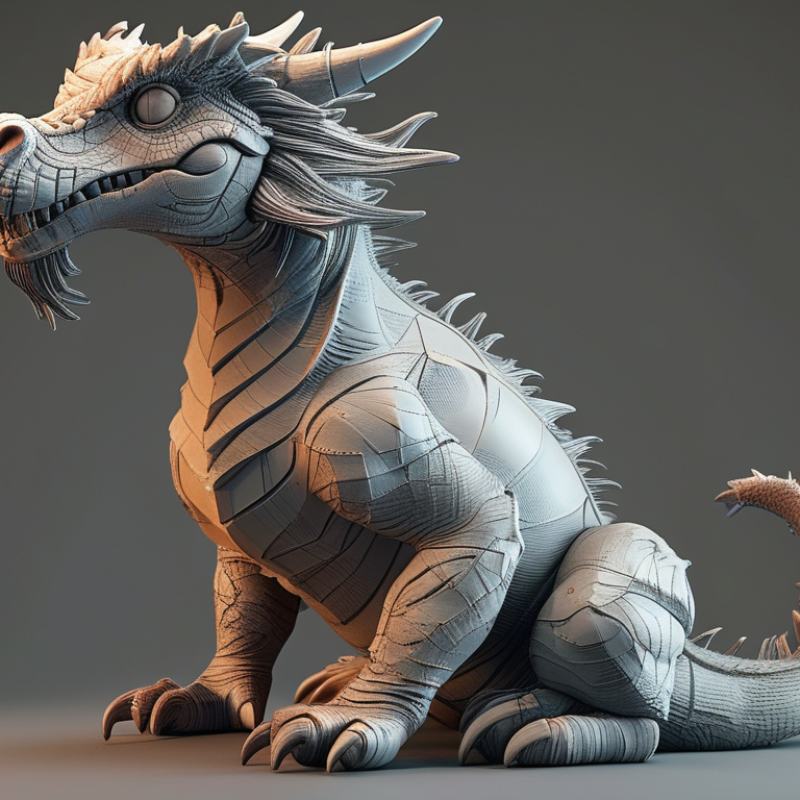
Essential Tips for Choosing the Right 3D Scale Model?

Understanding the Purpose of Your 3D Scale Model

When choosing a 3D scale model, understanding its purpose is crucial. Different projects require different levels of detail and accuracy. For instance, a model for architectural visualization needs precision. According to a recent industry report, over 75% of architects use 3D models to present designs. This emphasizes the importance of selecting a model that aligns with your objectives, whether for presentation or analysis.

Cost is another factor to consider. A high-quality model can range from hundreds to thousands of dollars. Yet, investing in the right model can yield better outcomes. In fact, recent surveys show that 60% of project managers found improved efficiency by using detailed models. This reflects the significant role models play in communication and client engagement.

It’s key to acknowledge that not all models serve every purpose equally. A model that works for one situation may not fit another. Consider your audience and their needs. Will they need a detailed, realistic representation, or a simplified version? Reflecting on these questions will guide your choice effectively.

Assessing the Material Options for 3D Scale Models

When choosing materials for 3D scale models, consider the intended use and environment. Different materials offer various advantages and drawbacks. For instance, plastic is lightweight and affordable, making it a common choice for hobbyists. However, it may lack the sturdiness needed for detailed architectural models. Wood, while visually appealing, can be more challenging to work with and may require more time for fabrication.

Another option is metal, which provides durability and a premium feel. Yet, working with metal can demand specialized skills and equipment. This can be a barrier for beginners. Additionally, some materials may not be suitable for outdoor use due to weathering. Evaluate the specific conditions your model will face, as this can impact its longevity.

Consider detailing as well. Intricate designs may require materials that can hold fine features. Some users find resin superior for detailed models, but it has its own challenges, like a longer curing time. Finding the right balance between detail and practicality often requires reflection on your crafting style and project goals. Experiment with different materials to see what best aligns with your vision.

Material Options for 3D Scale Models

Evaluating the Precision and Scale Accuracy Required

When selecting a 3D scale model, precision is vital. Understanding scale accuracy ensures your model reflects reality. It’s not just about size. Every detail counts. For instance, if you need a model for architectural purposes, even slight deviations can misrepresent your vision. The scale should amplify the details without distortion.

When evaluating your needs, consider the purpose of the model. Are you creating a presentation, or is it for personal use? Think about the level of detail required. Some projects require high fidelity, while others may allow for simplifications. Reflection on what matters most can shape your choice.

Precision can be a double-edged sword. High accuracy might come with higher costs and longer production times. Sometimes, it's worth sacrificing a bit of accuracy for speed or affordability. Take a moment to ponder your priorities before making a decision. Balancing accuracy and practicality can lead to better outcomes.

Identifying Key Features and Details for Your Model

When selecting a 3D scale model, identifying key features is crucial. The level of detail is one significant aspect. Look closely at textures and finishes. A high-quality model often features intricate designs that enhance realism. Consider how these details contribute to the model's overall aesthetic and educational value.

Another important element is scale accuracy. Ensure that the proportions align with the intended representation. An accurate scale enhances the model's credibility. Additionally, look for materials used in the model. Durable materials can withstand handling, while lightweight options may be more fragile. Think about how you will use the model. Will it be for display or hands-on education?

Reflect on your project needs. Do you favor aesthetic appeal or functional accuracy? Sometimes, models may lack completeness in details or textures. This can impact perception. Balance your expectations with available options. Choosing the right model requires careful thought and a clear understanding of your objectives. Each detail matters in crafting an effective representation.

Budgeting and Cost Considerations for 3D Scale Models

When considering 3D scale models, budgeting plays a crucial role. The average cost ranges significantly, depending on complexity. Basic models may start around $100, while intricate custom designs can exceed $5,000. According to industry reports, over 60% of clients underestimate the costs associated with high-quality 3D models, leading to project overruns.

When budgeting, it’s essential to include various factors. Standard pricing typically covers design, material, and printing costs. Always account for revision cycles as well, which can add unexpected expenses. Less than 20% of projects remain within their initial budget, emphasizing the need for careful planning.

Consider the intricacies involved. Materials can dramatically affect cost. For instance, resin is often more expensive than PLA but offers superior detail. Think carefully about your project’s needs. Understanding the total cost of ownership can prevent budget blowouts. Plan for contingencies, as unexpected expenses can arise during development.

FAQS

: What should I consider when choosing materials for 3D scale models?

: Evaluate the model's use and environment first. Each material has its pros and cons.

Why is precision important in 3D scale models?

Precision ensures the model accurately represents reality. Details matter, especially for architectural purposes.

How do costs vary for 3D scale models?

Basic models start at about $100. Intricate designs can exceed $5,000, depending on complexity.

What budget factors should I consider?

Include design, material, printing costs, and potential revision cycles in your budget planning.

Are there materials that handle fine details better?

Resin often excels in detail. It can be tricky due to longer curing times, though.

Can I sacrifice accuracy for speed?

Yes, sometimes it’s worth it. Reflect on your priorities for better project outcomes.

What challenges do different materials present?

Wood may be beautiful but harder to work with. Metal offers durability yet requires skills to manage.

How can I better plan my budget for 3D models?

Understand total costs and plan for contingencies. This helps avoid unexpected budget issues.

Is outdoor use a concern for all materials?

Yes, some materials may weather poorly outdoors. Consider your conditions for longevity.

How significant is scale accuracy for my project?

It’s crucial. Even slight deviations can misrepresent your vision, especially in presentations.

Conclusion

Selecting the right 3D scale model involves a careful consideration of several factors to ensure it meets your specific needs. First, understanding the purpose of your 3D scale model is crucial, as it will guide your decisions on design and functionality. Next, assess the various material options available for 3D scale models, as different materials can significantly affect the model's appearance and durability.

Furthermore, evaluating the precision and scale accuracy you require is essential, particularly for projects that demand a high level of detail. Identifying the key features and details that must be included in your model will also enhance its effectiveness. Lastly, don’t forget to consider your budgeting and overall cost implications, as these will influence the type of 3D scale model that is feasible for your project. By meticulously analyzing these aspects, you can ensure that your 3D scale model fulfills its intended purpose effectively.


Ethan

Ethan

Ethan is a seasoned marketing professional with a deep expertise in our company's innovative product line. With a passion for sharing knowledge and insights, he takes the lead in regularly updating our corporate blog, where he explores industry trends, product features, and effective marketing......