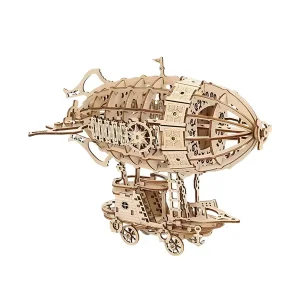
Explore our certified, precision-cut wooden models manufactured for bulk global distribution.
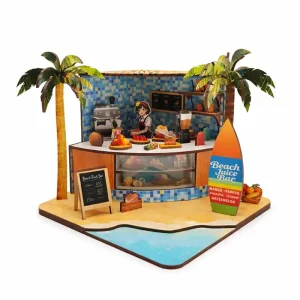
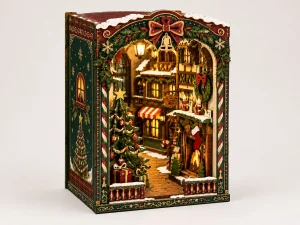
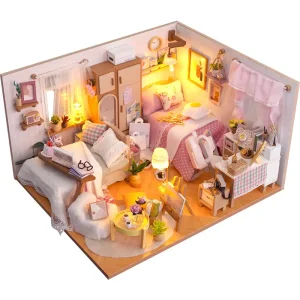
In global B2B procurement, the word "cheap" is often misconstrued as a compromise in build quality, dimensional tolerance, or environmental safety. However, inside the modernized Chinese woodcraft manufacturing sector, cost-efficiency is achieved via advanced industrial engineering, raw material optimization, and automated machinery rather than material degradation.
For distributors, educational retailers, and private label brands, sourcing competitively priced wooden model kits is a balancing act. It requires matching low-cost manufacturing capabilities with strict international certification standards like CE, EN71, and REACH.
By using precision-engineered CO2 laser systems, optimizing CAD structural files to prevent kerf errors, and selecting the correct wood grade (such as FSC-certified basswood or high-density MDF), manufacturers like LINYI WOODEN TOYS LIMITED COMPANY deliver budget-friendly model kits that do not compromise on consumer assembly experience.
Understanding the balance between wood grade choice and manufacturing tolerances.
Mainly utilizing premium basswood, poplar, and cost-effective MDF. Basswood is selected for high-detail 3D puzzles due to its tight grain structure, reducing splinter risks. Poplar offers lightweight cost advantages, while MDF ensures warp-free panels under extreme environmental humidity changes.
Implementing CO2 laser machines with nesting algorithms to achieve maximum yields from timber panels. Kerf compensation (adjusting cuts for laser beam width) ensures snap-fit assembly without glue, saving material costs and reducing packaging weight.
Using digital UV printing directly onto the wooden boards instead of applying paper laminates. This prevents peeling, improves colors, and allows for clean cuts during laser processing without burning or discoloring the artwork.
| Material Type | Common Applications | Advantage | B2B Cost Index | Ideal Puzzles |
|---|---|---|---|---|
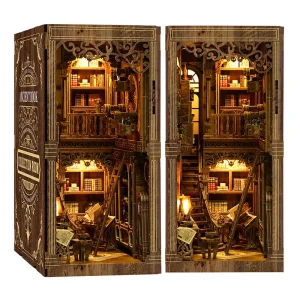
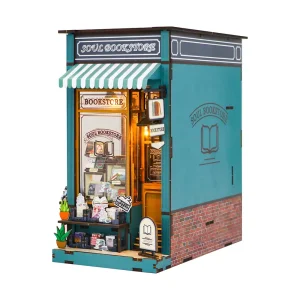
| AAA Basswood | Detailed Book Nooks, Mechanical 3D Puzzles | Fine grain, minimal knots, superior snap-fit strength | Premium / Mid-range | High complexity gear assemblies |
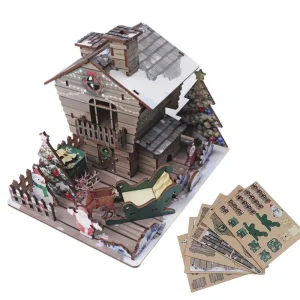
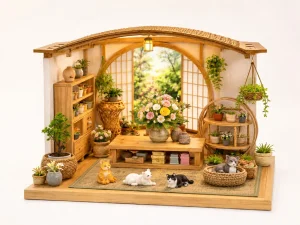
| Poplar Plywood | Large Structural Sets, Miniature House Frames | Lightweight, easy cut processing, low soot marks | Highly Economical | Architectural DIY miniatures |
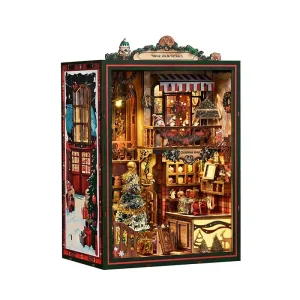
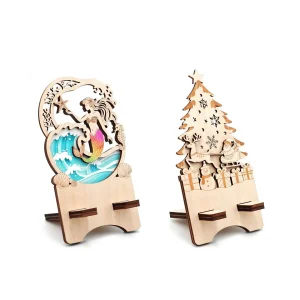
| MDF (Medium Density Fiberboard) | Painted models, structural base plates | Excellent flatness, zero warping, dense core structure | Budget-friendly | Seasonal decor & ornaments |
As a specialized OEM/ODM manufacturer, the company operates integrated production facilities designed to minimize intermediate handling costs. They handle every stage of production in-house—from design to packaging.
Operating out of Linyi, Shandong—a major logistics and wood manufacturing hub in northern China—allows for substantial freight and material savings. Local material clusters cut incoming shipping costs, while close partnerships with board mills ensure consistent supply and pricing.
Additionally, the integration of adjacent services, like custom box printing and sheet packaging, helps reduce production timelines. The typical cycle from raw wood sheets to shrink-wrapped B2B shipments is often reduced to 15–25 days.
Whether you require private label branding, tailored box graphics, or complete structure redesign, Linyi Wooden Toys provides a seamless one-stop supply chain setup.
Importing wooden toy models with confidence: standard test protocols and regulatory systems.
For importing into regions like the European Union or North America, meeting product safety regulations is essential. Wooden DIY kits contain small components, requiring compliance with mechanical safety tests (EN71-1) to eliminate choking hazards.
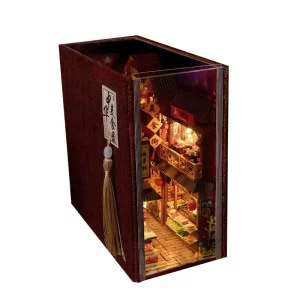
Furthermore, products featuring integrated lighting, such as miniature house kits with LED lights and DIY Book Nook kits, must undergo evaluation under EN IEC 62115. This process ensures battery compartments, wiring, and soldering are safe and reliable for consumer assembly. RoHS compliance is also required to verify that solder joints and small electrical components are free of hazardous substances.
Linyi Wooden Toys works closely with accredited third-party testing laboratories (such as SGS, Intertek, and TUV) to help buyers secure the necessary compliance certificates for their specific target markets.
From custom conceptual art to mass production and shipping ready retail packages.
Converting conceptual illustrations into nested CAD vector lines. Standard clearance offsets are added to guarantee snug interlocking joints.
Laser-cutting sample boards to evaluate joint fits, structural integrity, and assembly sequence. Adjustments are made to lock down tolerances.
Applying graphic layers directly to wood panels via high-adhesion UV curable inks. Cutting sheets are nested to maximize material utilization.
Collating boards, manuals, electrical kits, and tools into retail packaging. Final inspection checks guarantee zero missing pieces.
Exploring how different sales channels position DIY wooden kits for target buyers.
Flat-pack packaging reduces shipping volume, lowering warehouse and logistics costs for Amazon, Shopify, and Etsy sellers. Fast customization options let brands launch seasonal designs quickly.
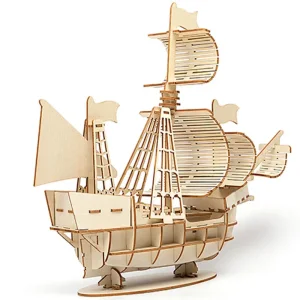
Montessori classrooms and STEM centers use mechanical 3D puzzles to build fine motor skills, spatial reasoning, and basic engineering knowledge, combining learning with physical play.
Custom-themed book nooks and historic model replicas make excellent premium souvenirs. Gift shops can design exclusive landmarks to boost margins and build brand distinction.
The hobby industry is shifting toward more interactive, multimedia-enabled experiences. Traditional structural models are evolving into active mechanical displays by integrating miniature kinetic gearboxes, motion-sensor lighting, and sound-activated modules.
Additionally, material compliance and sustainability are becoming crucial selection criteria for major retailers. Sourcing wood certified by the Forest Stewardship Council (FSC) is increasingly required for selling in Western markets, helping brands meet the demands of eco-conscious consumers.
By investing in design automation and high-efficiency manufacturing technologies, suppliers can help brands adapt to these trends quickly, delivering modern, compliant, and cost-effective products to the global market.
Expert answers regarding material grades, order requirements, and compliance.
Explore additional styles and seasonal collections, directly available for wholesale customization.
 CraftODM