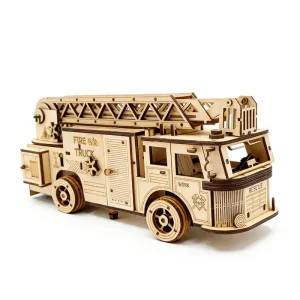
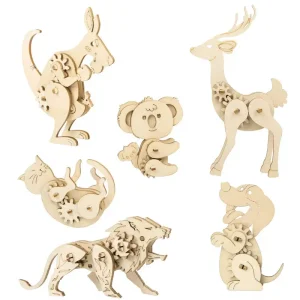
The global demand for micro model cars, scale engineering kits, and interactive miniature craft systems has undergone a monumental shift. What was once viewed primarily as simple playthings has transitioned into a highly sophisticated market segment consisting of 3D mechanical puzzles, STEM-oriented learning tools, high-end collector sets, and custom corporate branding solutions. Global distributors, private label toy brands, and retail chain buyers are increasingly searching for manufacturers that can merge structural mechanical integrity with strict adherence to environmental and chemical compliance codes.
As a primary sourcing location, China’s industrial cluster in Shandong—specifically spearheaded by specialist manufacturers like LINYI WOODEN TOYS LIMITED COMPANY—offers an exceptional synthesis of competitive raw material access, precision laser cutting infrastructure, and comprehensive design-to-assembly capabilities. When sourcing micro model cars, miniature mechanical kits, or specialized layout scenes, global procurement managers must look past basic unit costs and analyze the deeper layers of manufacturing expertise, raw material safety (such as FSC certification), and advanced tooling capacity.
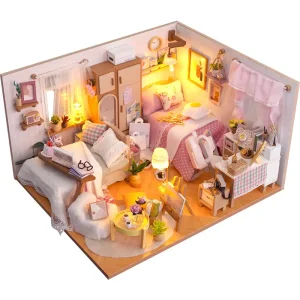
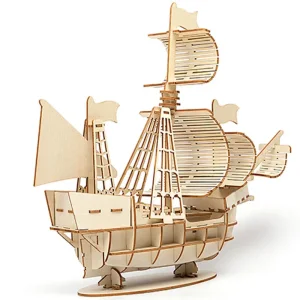
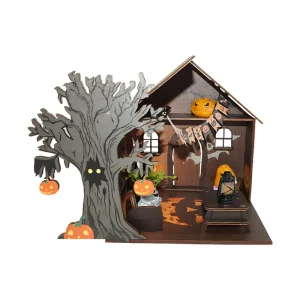
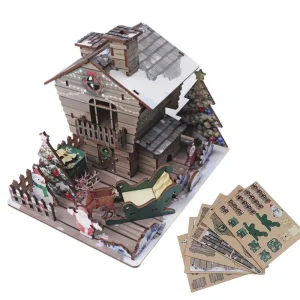
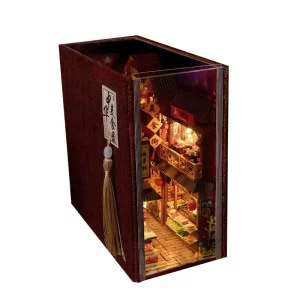
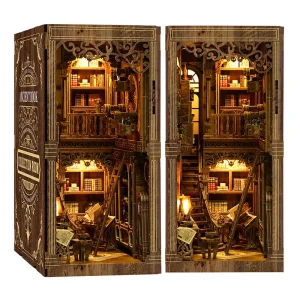
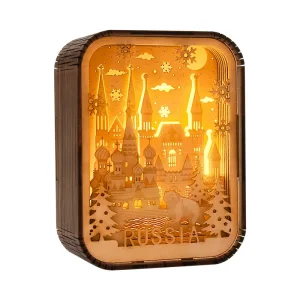
We are a professional OEM/ODM manufacturer specializing in wooden DIY kits, 3D wooden puzzles, miniature house kits with integrated LED lighting systems, book nook kits, wooden educational toys, Montessori-based teaching resources, and custom wooden craft products. Our facility provides an integrated, one-stop manufacturing process: starting from initial structural concept development, to laser kerf calibration, UV printing, assembly validation, visual guide drafting, customized retail packaging development, and compliance-led mass production.
Enterprise-level sourcing demands in North America, the European Union, and the Asia-Pacific region focus highly on risk mitigation. When importing large volumes of micro wooden scale models or DIY mechanical vehicle assemblies, buyers face complex regulatory and commercial requirements. These purchase criteria can be classified into three operational categories:
Toy brands and educational suppliers require strict compliance reporting, including EN71, REACH, RoHS, and CE certifications. Electrical systems like LEDs must comply with EN IEC 62115. Products must also pass physical hazards testing to ensure they are free from sharp edges and small parts risks.
Major corporate buyers mandate ethical sourcing, documented through BSCI audits, alongside verified wood traceability. Offering FSC-certified materials (Basswood, Poplar, and MDF) guarantees that products meet strict environmental and forest protection standards worldwide.
E-commerce private labels and specialty retail chains need flexibility. Our production process accommodates low MOQ entries (starting normally at 200 pcs) paired with accelerated CAD/CAM prototyping to keep pace with fast-changing market trends.
The manufacturing process of wooden micro model cars and DIY puzzle kits requires high precision. Wood behaves differently than plastics; changes in humidity and grain orientation can cause warping and dimensional variations. Managing these variables requires combining mechanical engineering, materials science, and advanced manufacturing techniques.
Choosing the right core material determines the strength, durability, and print finish of the model.
| Material Type | Dimensional Stability | Laser Cutting Cleanliness | UV Printing Adhesion | Best Applied Scenarios |
|---|---|---|---|---|
| Premium Basswood | Excellent | High (Low charring) | Outstanding (Smooth grain) | Engines, gears, external body panels |
| Poplar Plywood | Good | Moderate | Good | Structural framing, display backings |
| Engineered MDF | Outstanding | High (Produces fine soot) | Excellent (Uniform surface) | Flat puzzle sheets, light blocks |
Laser cutting wood creates a "kerf"—the material vaporized by the laser beam. For snap-fit micro model cars that don't use glue, tolerance levels must be kept within ±0.05 mm. Our structural engineering team calibrates the laser power, cut speed, and lens focal lengths for each batch of plywood. This ensures interlocking tabs fit together securely: they remain tight enough to hold under mechanical stress, yet are smooth enough for consumer assembly.
Adding detailed instrument panels, racing stripes, and realistic textures onto wooden model cars requires high-precision UV printing. By curing ink under intense UV light, the designs bond directly to the wood fibers. This process creates bright colors and sharp details while resisting fading and peeling, ensuring the model keeps its appearance over time.
For international brands and buyers seeking custom wooden toys or custom-designed micro vehicles, we provide a streamlined, collaborative development process:
Clients share 2D artwork, basic vector outlines, or conceptual designs. Our engineers then build digital 3D models in CAD, modeling interlocking joints, gear positions, and fit tolerances.
We output sample sheets on specialized laser-cut routers, perform physical test assemblies to verify clearances, check structural integrity under stress, and test print placement.
Once prototypes are approved, we begin mass manufacturing. This phase includes raw material testing, high-speed automated laser cutting, color printing, sorting, packaging, and shipping preparation.
Our custom design solutions also include custom visual instructions (designed with clear illustrations for easier assembly), retail boxes with security seals, and protective transit cartons. This packaging is optimized to handle high moisture levels and stacking weight during ocean shipping.
 CraftODM