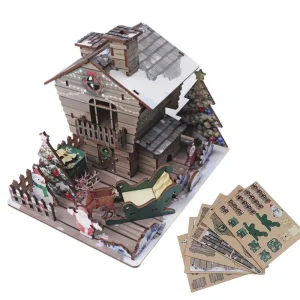
Explore our highly curated 3D wooden puzzles, structural models, and book nook kits engineered with precision laser cutting and intelligent LED technology.
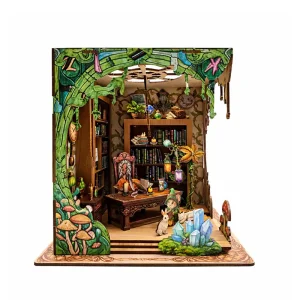
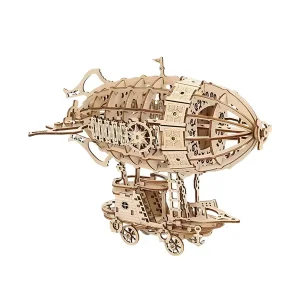
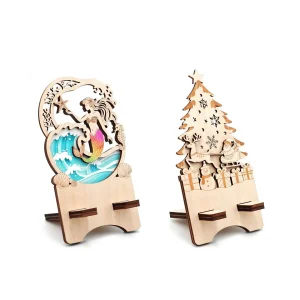

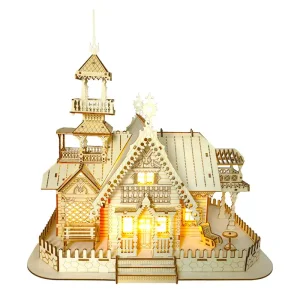
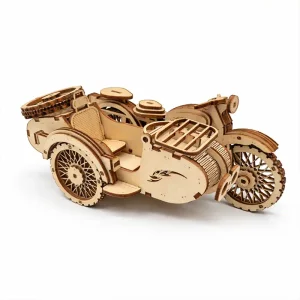
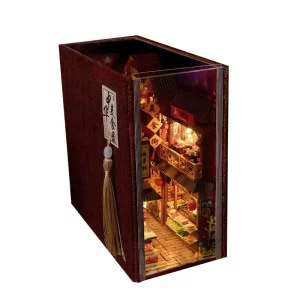
The global consumer landscape is experiencing a significant paradigm shift. The convergence of structural construction play, interior decoration, and the botanical "green trend" has birthed a highly lucrative category in the creative goods sector: Garden Building Blocks and Wooden DIY Miniature Kits. No longer categorized simply as children's toys, these complex assemblies cater to a vast global audience of adult hobbyists (kidults), premium gift seekers, and educators seeking tactile, screen-free engagement.
"The market for precision-cut wooden models and modular micro-gardens has expanded beyond traditional hobby shops into high-end gift chains, boutique bookstores, museum retail, and mainstream e-commerce platforms. Global demand is driven by a deep human urge to build, curate, and display customized physical spaces in an increasingly digitized world."
According to industrial distribution and consumer market reports, DIY wooden models, mechanical gears, book nooks, and botanical-themed building block sets have recorded a compound annual growth rate (CAGR) of over 12% over the last five years. Geographically, North America and Western Europe remain the largest consumers of premium miniature kits. Buyers in these regions seek high aesthetic values, safe materials, and sophisticated lighting elements (such as embedded LEDs and touch switches).
At the same time, the Asia-Pacific region is catching up rapidly, driven by cultural trends like the aestheticization of bookshelves (Book Nooks) and the popularity of miniature green spaces (DIY Miniature Greenhouses) in urban micro-apartments. This trend has established "Garden Building Blocks" as a crucial cross-category product that merges home styling, mental wellness, and construction mechanics.
To meet the extreme precision required for modular wooden kits, the global supply chain relies heavily on highly advanced manufacturing clusters located in China, with Linyi being a preeminent hub. Let's analyze why Chinese factories dominate this sector:
Our global clients deploy these DIY kits across diverse commercial channels, tailoring the consumer experience to local cultural preferences:
High-end gift stores and bookshops utilize lighted book nooks and miniature green scenes as dynamic store-window displays to attract foot traffic and drive premium impulsive purchases.
Schools and Montessori institutions integrate structural assembly kits into their curricula to foster spatial intelligence, mechanical understanding, and fine motor skills in learners.
Private label brands on Amazon, Etsy, and Shopify leverage our custom theme design (OEM) and flat-pack packaging to minimize international shipping costs and maximize ROI.
The future of the wooden DIY craft industry lies in the integration of technology and sustainability. We are actively tracking and driving the following structural trends:
Hybrid Material Combinations: Combining laser-cut wood with acrylic sheet overlays, dried botanicals, and metal components to create deeper multi-textured sensory experiences.
Smart Lighting & Interactive Audio: Transitioning from simple LED toggle switches to USB-powered smart systems, sound-activated sensors, and integrated music boxes that play thematic tunes when assembly is complete.
Eco-Conscious Manufacturing: Shifting strictly to FSC-certified timber and non-toxic soy-based inks. As global regulations on carbon footprints tighten, offering carbon-neutral, zero-plastic craft alternatives becomes a major competitive advantage.
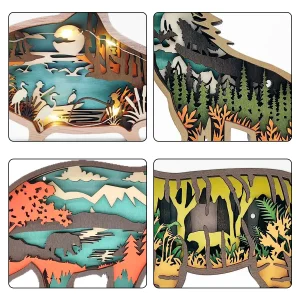
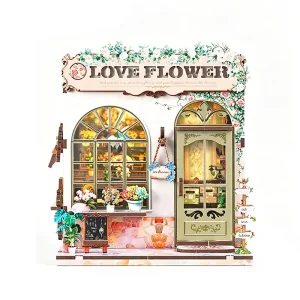
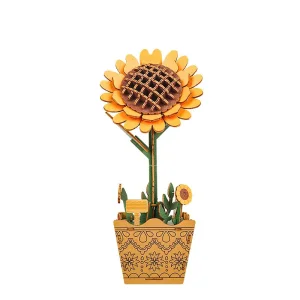
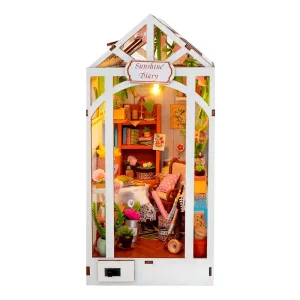
LINYI WOODEN TOYS LIMITED COMPANY is an elite, professionally structured OEM/ODM manufacturing enterprise specializing in the design, engineering, and mass production of wooden DIY kits, 3D wooden puzzles, miniature house kits with LED lighting systems, thematic book nooks, educational toys, Montessori materials, and bespoke wooden crafts.
We provide a comprehensive, vertically integrated suite of services. From the initial conceptualization phase, structural CAD modeling, and vector optimization for laser-cutting, to precision UV printing, multi-level quality assurance, instruction sheet design, and tailored export-ready packaging, we manage the entire life cycle of your product.
Our production facilities utilize top-tier basswood, poplars, and eco-friendly MDF boards, ensuring that every batch meets the strict regulatory requirements of global markets. Whether you are an established global toy brand, a museum gift shop buyer, a private label e-commerce seller, or an independent Kickstarter publisher, our system is built to scale to your commercial needs.
Discover our extended portfolio of customized tabletop ornaments, botanical greenhouses, and cityscape lamps optimized for international wholesale.
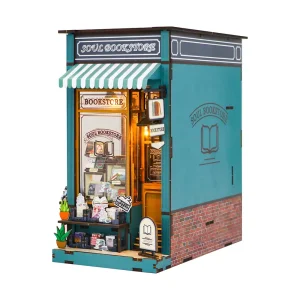
For international buyers, sourcing wooden DIY and mechanical assemblies from China requires navigating complex safety certifications and logistics standards. Below is the operational framework we employ to guarantee a zero-defect supply chain:
Because these kits contain multiple subsystems (laser-cut structural plates, micro-LED wiring, battery compartments, and occasional acrylic components), they are subjected to strict regulatory oversights depending on the target destination:
Our customer-centric engineering flow is structured to expedite time-to-market while retaining custom creative control:
Phase 1: Structure & Vector Design: Our engineering team reviews the client's concept art or reference models. We design the layout using dedicated structural CAD tools to optimize parts integration and minimize physical warping.
Phase 2: Prototyping & Tolerance Checks: We produce physical samples using laser cutters. The mockups are assembled by our in-house testing team to inspect the physical tolerance fits, ease of assembly, and graphic instructions clarity.
Phase 3: Custom Packaging & Visual Assets: We design custom colored cartons, instruction manuals, and graphical printing overlays using non-toxic inks. High-definition photographic files of step-by-step assemblies are rendered to assist in manual drafting.
Phase 4: Bulk Manufacturing & Logistics: Once approved, the job is fed to our automated laser cutting rows. The products are flat-packed in high-density protective cartons, palletized, and prepared for ocean or air freight. Our standard MOQ is low, starting at only 200 pcs, allowing small brands to test markets with minimal upfront capital.
Direct answers regarding manufacturing processes, customization, international compliance, and shipping logistics.
 CraftODM