Explore our highly-acclaimed, CE-certified 3D model kits and miniature builds engineered for sophisticated hobbyists worldwide.
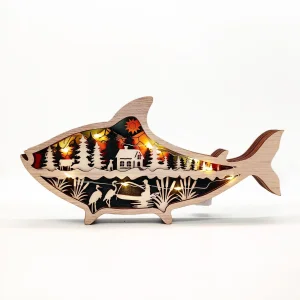
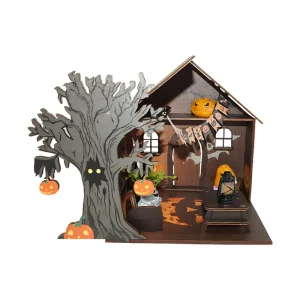
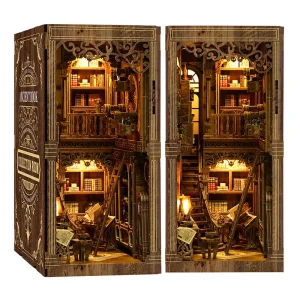
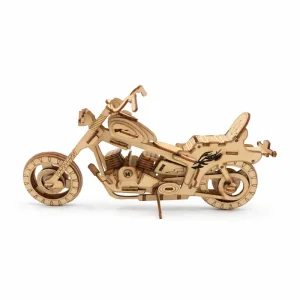
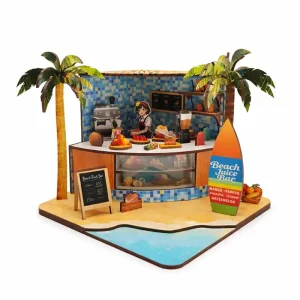
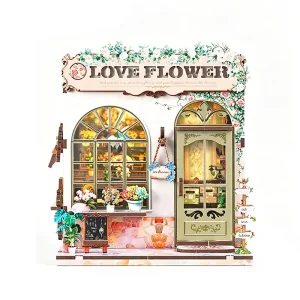
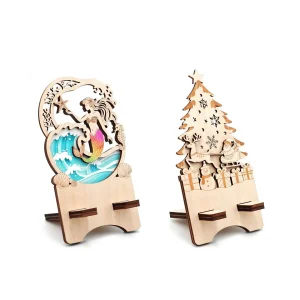
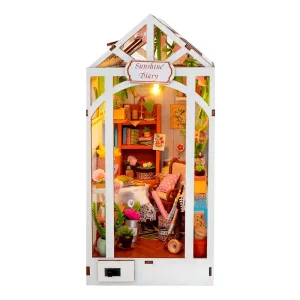
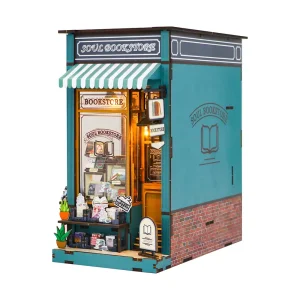
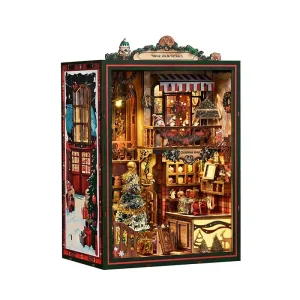
LINYI WOODEN TOYS LIMITED COMPANY is a professional OEM/ODM manufacturer specializing in wooden DIY kits, 3D wooden puzzles, miniature house kits with LED lights, book nook kits, wooden educational toys, Montessori toys, and custom wooden craft products. We provide one-stop services from product concept development, structure design, laser cutting, laser engraving, UV printing, assembly testing, and instruction design to custom packaging and bulk production. Our products are suitable for toy brands, gift retailers, hobby shops, museum stores, e-commerce sellers, and private label buyers. Main materials include basswood, poplar, and MDF. We support custom themes, logo, color, packaging, structure, and OEM/ODM development. MOQ normally starts from 200 pcs. FSC material options are available, and product testing such as CE, EN71, REACH, RoHS, and EN IEC 62115 can be arranged according to final product requirements and target market.
An authoritative analysis of B2B procurement trends, advanced manufacturing systems, and global regulatory frameworks.
The global demand for high-quality wooden creative models, including 3D mechanical puzzles and architectural book nooks, has witnessed an unprecedented compound annual growth rate CAGR of 8.4%. This surge is driven by consumer shifts toward screen-free educational entertainment and luxury home ornament collectibles.
Modern consumers demand exceptional structural integrity and tool-free slot design. By leveraging precision industrial laser cutters with tolerances under 0.05mm, suppliers eliminate loose fits and rough edges, ensuring optimal interlocking performance.
Global shipping of wooden toys requires rigorous standard verification. Quality producers must guarantee compliance with regional frameworks, including EU's CE & EN71, North America's ASTM, and international environmental directives like RoHS and REACH.
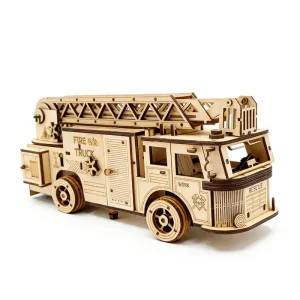
Wooden craft items have evolved from traditional, hand-carved blocks to highly sophisticated, multi-layered interactive models. Originally simple toys, the industry has transitioned into a highly technical space comprising mechanical models with complex gear structures, miniature rooms fitted with LED circuitry, and atmospheric book nook shelf inserts. This transition has unlocked a demographic shift: adult consumers now dominate the purchase metrics of 3D assembly kits, requiring manufacturers to elevate structural engineering, illustration manuals, and packaging aesthetics.
Historically, the consumer base for wooden toys focused predominantly on childhood development (e.g., building blocks, shape sorters). However, contemporary semantic trends reveal a robust increase in query intent around keywords such as "DIY craft kits for adults", "mechanical gear models", and "architectural miniatures". Modern collectors view these models as artistic furniture, creating a thriving secondary market for custom designs and premium paint options.
When sourcing wooden creative models, global buyers consistently focus on China's manufacturing ecosystems. This structural advantage is not merely based on labor cost, but rather on complete supply chain optimization, cluster proximity, and massive raw material integration. Linyi, as a prominent logistics and wood production hub, offers distinct logistical and production benefits:
Wooden creative models serve diverse sectors, highlighting their versatility across numerous B2B channels:
Behind every successfully assembled model is a rigorous, automated structural development process.
Selecting the correct substrate is crucial for preventing warping and cracking. Basswood plywood is chosen for its tight grain and minimal resin content, ensuring clean cuts with minimal charring. Poplar offers lightweight flexibility, while MDF provides flatness for large, rigid structures.
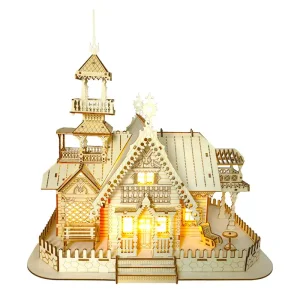
Modern wooden puzzles go beyond flat shapes, incorporating LED lights, battery housings, wiring pathways, and physical gears. Our structural engineers design complex lock mechanisms so models hold together without glue, ensuring a rewarding assembly experience.
B2B success relies heavily on packaging. We design compact, flat-pack gift boxes with high-density foam protection, step-by-step 3D manuals, and detailed label layouts, keeping shipping rates low and retail appeal high.
Importing wooden components with electrical parts (like LEDs) requires meeting strict regional regulations. As a responsible manufacturing partner, we verify compliance across all relevant testing fields:
Answers to key questions regarding structural customization, material sourcing, compliance, and shipping logistics.
Our standard MOQ starts at 200 units for basic customizations (e.g., custom outer packaging or logo engraving on existing designs). For complete custom structural designs requiring custom tooling plates, the MOQ ranges from 500 to 1,000 units depending on size, part count, and material requirements.
We highly recommend basswood plywood. Its fine, uniform texture, minimal grain splitting, and dimensional stability make it ideal for high-precision laser cutting. Poplar is a cost-effective alternative for simple puzzles, while MDF is best for budget-friendly tabletop ornaments and structural backings.
We maintain this through strict calibration protocols. Our industrial laser cutters undergo regular optical alignment and maintenance. Design files incorporate a calculated kerf tolerance (typically 0.05mm to 0.15mm) to account for wood vaporized by the laser beam, ensuring slot joints remain secure and easy to assemble.
Yes. All materials can be sourced to meet CE, EN71, ASTM F963, REACH, and RoHS standards. If your models include LED wiring or battery boxes, they will be tested under EN IEC 62115 to ensure total compliance as electrical toys.
Yes, we provide FSC-certified wood options to support sustainable product lines. This ensures a transparent, eco-friendly supply chain from responsibly managed forests to the final retail box.
Prototyping and design changes take 5 to 10 days. Once the pre-production sample is approved, mass production usually takes 20 to 30 days, depending on order size and structure complexity.
Discover additional DIY options, seasonal models, and customizable wooden craft collections.
 CraftODM